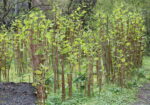
Japanese knotweed is one of the UK’s most problematic invasive weeds. At first glance, it may look like an ordinary plant with bamboo-like stems and green, heart-shaped leaves, but don’t be fooled. Beneath the surface lies a powerful rhizome root system that allows it to spread rapidly, causing extensive damage to properties, infrastructure and the environment.
Originally from East Asia, Japanese knotweed (Reynoutria japonica) was introduced to the UK in the 19th century as an ornamental plant. Since then, it has spread aggressively and is now one of the most notorious invasive species in the country.
What does Japanese knotweed do to residential properties?
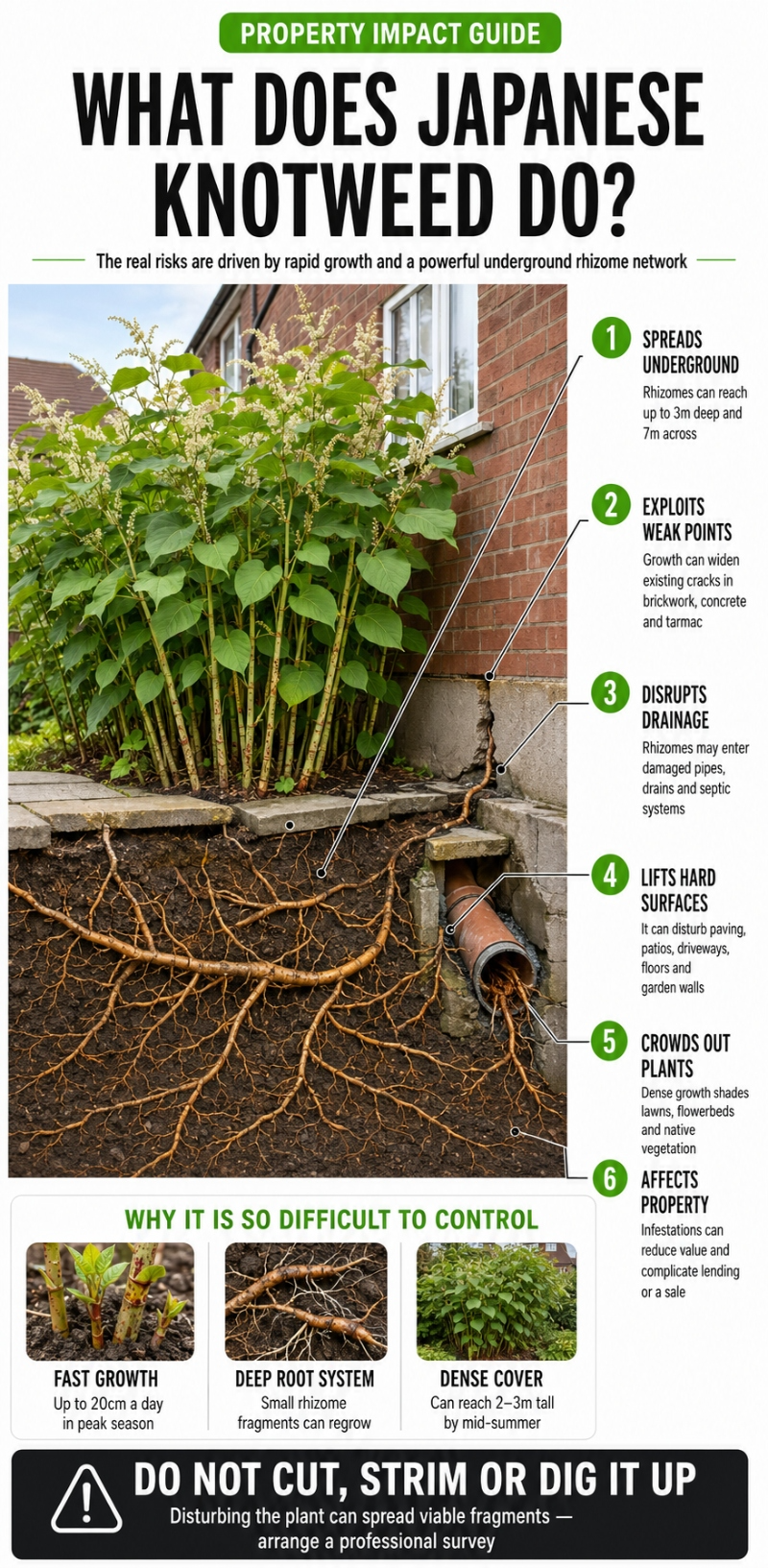
On residential properties, Japanese knotweed can be particularly destructive. Its underground rhizomes can grow up to 3 metres deep and spread 7 metres horizontally, searching for moisture and exploiting any weakness they find. This means the plant can:
- Damage building foundations – Knotweed roots are strong enough to work their way into cracks in concrete, brickwork, and tarmac, gradually forcing them apart and weakening the structure.
- Cause problems with drainage – The rhizomes can infiltrate pipes, drains, and septic tanks, leading to blockages and costly repairs.
- Spread under patios, driveways and garden walls – It can push through paving slabs, fencing and even floors, leaving visible cracks and instability.
- Take over garden space – Dense growth shades out lawns, flowerbeds and other plants, leaving the garden unusable.
- Lower property value – Because of the risks involved, Japanese knotweed can reduce the value of a home by up to 15%, and many mortgage lenders will not approve a loan without a knotweed management plan in place.
Where is Japanese knotweed located?
Japanese knotweed thrives in almost any soil type and is commonly found across residential gardens, commercial land, railways, canals, roadsides and riverbanks. It is particularly abundant in disturbed ground, such as construction sites, where its dormant rhizomes can easily be spread.
During its growing season, the plant can grow at an astonishing rate of up to 20 centimetres per day, reaching heights of 2–3 metres by mid-summer. In the UK, knotweed is most prevalent in urban areas, including London, Cornwall and parts of Scotland, but it can be found nationwide. Globally, it is present in Europe, North America, New Zealand and Australia.
Environments that encourage the growth of Japanese knotweed include:
- Damp areas such as riversides, streams and lakesides
- Disturbed land, like building sites and roadworks
- Urban areas, where it pushes through cracks in paving and concrete
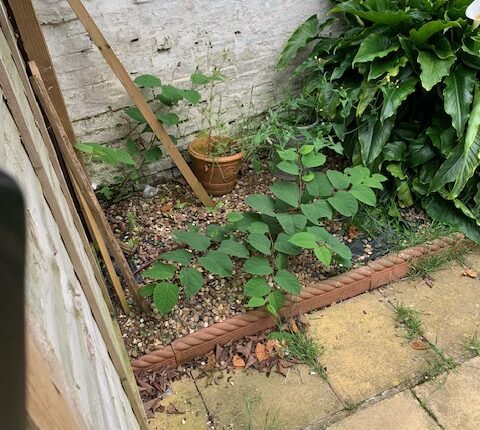
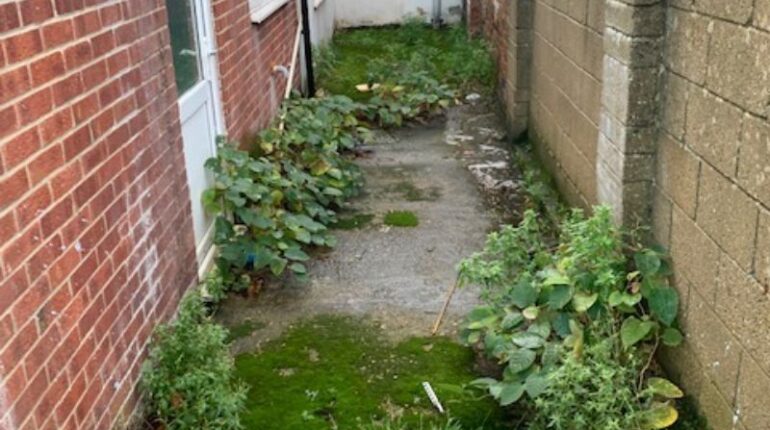
Here are some images showing the presence of Japanese knotweed across various commercial and residential enviromnents.



Why is Japanese knotweed a dangerous weed?
Japanese knotweed is dangerous because of the scale of destruction it can cause. Its aggressive rhizome system can grow up to 3 metres deep and 7 metres wide, exploiting weaknesses in concrete, tarmac, brickwork and drainage systems. Left unchecked, it can cause:
- Structural damage to walls, floors and foundations
- Blocked drains and sewers
- Loss of usable garden or green space
- Severe property devaluation – in some cases by up to 15%
Beyond the physical damage, Japanese knotweed carries serious legal implications. Under the Wildlife and Countryside Act 1981, it is an offence to cause knotweed to spread in the wild. It is also classed as controlled waste under the Environmental Protection Act 1990, meaning disposal must be handled at licensed facilities.
If knotweed spreads onto neighbouring land, you could be held liable, face legal action, or even struggle to sell your property, as many mortgage lenders refuse to finance properties affected by knotweed without a management plan in place.
How to identify Japanese knotweed
Japanese knotweed can often be mistaken for other common garden weeds such as bindweed, nettles, crabgrass and chickweed, but there are distinct features to look out for:
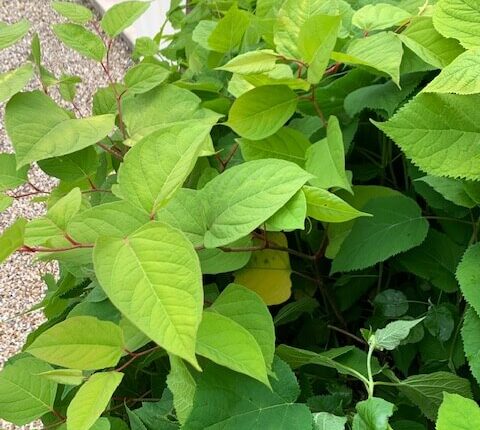
- Bamboo-like hollow stems with purple speckles
- Heart or shovel-shaped green leaves that grow in a zig-zag pattern along the stem
- Creamy-white flowers that appear in late summer
- Winter canes – brown, brittle stems left behind after the plant dies back in winter
For example, here is a clear image of what Japanese knotweed looks like close up.
If you’re unsure whether you have knotweed, the safest step is to book a full site survey. Our specialists will correctly identify the plant and advise on the best treatment plan to ensure the infestation is dealt with properly.
Getting rid of Japanese knotweed
Removing Japanese knotweed is not straightforward. Cutting it back or attempting to dig it out yourself can actually make the problem worse, as even the smallest rhizome fragment, as little as a fingernail in size, can regrow into a new plant.
The most effective methods of treatment include:
- Specialist herbicide treatments, often requiring multiple applications over several years
- Excavation and removal, used for severe infestations
Due to the plant’s resilience and the strict legal requirements for disposal, it is strongly recommended to use a knotweed removal specialist. Our team are licensed to use specialist herbicides and removal methods, ensuring the infestation is eradicated correctly and reducing the risk of regrowth.
Final thoughts
Japanese knotweed isn’t just a garden annoyance; it’s an invasive, destructive plant that can cause serious problems if left untreated. From damaging buildings and drainage systems to knocking thousands off your property’s value, it can quickly turn into a costly and stressful issue. On top of that, there are legal responsibilities around managing it, which means ignoring it isn’t an option.
If you think you might have Japanese knotweed on your property, it’s best to act quickly. Our team at Knotweed Specialists UK can carry out a full site survey, confirm whether it’s knotweed, and put together a treatment plan that gives you long-term protection and peace of mind.
Get in touch with us today to arrange your free site survey with one of our knotweed experts.