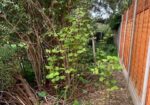
Japanese knotweed grows in various environments, including residential and commercial properties, and can cause severe damage to the environment, buildings, and infrastructure if left to continue growing. Knotweed is also spotted in a wide range of habitats and soil types, especially moist soil with the ability to grow up to 20 centimetres per day!
In the UK, Japanese knotweed’s hotpots are located in Cornwall and Scotland, particularly in urban areas like London, where over 4% of properties are affected. The plant is also present in many other countries, including the US, Canada, New Zealand, Australia and Europe.
Knotweed can be extremely difficult to control and remove properly, especially if you are attempting to cut or dig out the plant, as small fragments can be left behind to regenerate. The best way to effectively remove and control knotweed is to use a specialist company, such as ours, that is licensed to use the correct equipment to prevent ongoing regrowth.

Where is Japanese Knotweed Found?
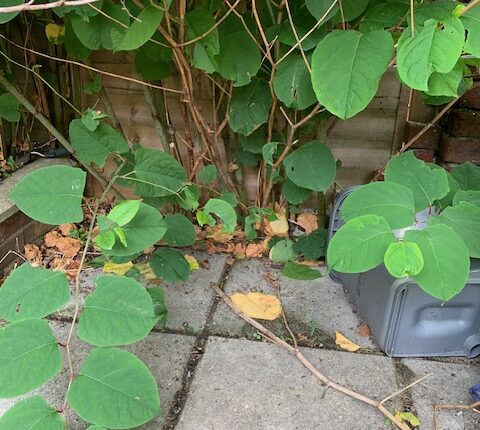
Japanese knotweed grows along roadsides, railways, riverbanks, streams, gardens, woodlands and through foundations, walls and floors with the ability to also grow through cracks in concrete, making it extremely difficult to identify and remove.
Urban Areas
Japanese knotweed often grows in urban environments, including along roadsides, railways, and in vacant lots. Its ability to grow through cracks in concrete and asphalt makes it a huge problem in major cities like London.
Riverbanks and Waterways
This plant frequently establishes itself along riverbanks, streams, and other bodies of water. The moist environment supports its growth and allows it to spread quickly, often disrupting local ecosystems.
Residential Properties
Japanese knotweed can invade gardens, lawns, and other parts of residential properties. It can cause significant damage to buildings and infrastructure by growing through foundations, walls, and floors.
Woodlands and Forest Margins
While less common than in disturbed areas, Japanese knotweed can also be found in woodlands and at the edges of forests. It often outcompetes native vegetation, reducing biodiversity.
Agricultural Land
Agricultural fields and pastures are also susceptible to invasion by Japanese knotweed. It can interfere with farming activities and reduce the land’s productivity due to its dense growth and persistence.
How to Prevent the Growth of Japanese Knotweed
To prevent the growth of Japanese knotweed, seek professional help from a specialised Japanese knotweed removal expert who can apply either herbicide treatment or the stem injection method.
Our specialist team are familiar with the legal requirements for dealing with the plant, as it is classified as controlled waste under the Environmental Protection Act 1990. With experience in identifying, removing and managing Japanese knotweed in Hampshire, West Sussex and surrounding areas, our team at Knotweed Specialists UK is equipped to effectively address this invasive plant and its impact on your property.
FAQs
Does Japanese Knotweed Grow in the UK?
Yes, Japanese knotweed grows in the UK and is the most common among four invasive knotweed plant species in the country. Its aggressive growth and ability to spread rapidly have made it a significant concern for homeowners, property managers, and environmental authorities throughout the United Kingdom.
Is it Wise to Buy a House with Japanese Knotweed?
Buying a house with Japanese knotweed is perfectly reasonable with the right precautions. The presence of Japanese knotweed on a property can greatly reduce its value, and it can be expensive and time-consuming to control and remove the plant – if it’s allowed to get out of control.
The plant’s rapid growth and ability to cause damage to buildings and infrastructure can pose a significant threat. It is vital to conduct a thorough survey of the property before purchasing to ensure that any existing Japanese knotweed is identified, and the cost of removing it is factored into the purchase price.
If Japanese knotweed is present, it is advisable to use a Japanese knotweed removal specialist such as Knotweed Specialists UK to ensure that the plant is safely and effectively removed.
What Kills Japanese Knotweed Permanently?
There are several methods of controlling knotweed, but the only way to kill Japanese knotweed permanently is to completely remove its root system. Herbicide treatment can be effective in controlling the plant, but it may take several years of repeated applications to achieve complete removal.
Excavation is another method of control, where the plant and its root system are dug up and disposed of at a licensed waste facility. It is vital to use a Japanese knotweed removal specialist for both herbicide treatment and excavation to ensure that the plant is safely and effectively controlled and to prevent its spread to other areas.
What Can Be Mistaken for Japanese Knotweed?
There are several plants that can be mistaken for Japanese knotweed, especially during the early stages of growth. Some of these plants include bindweed, Russian vine, bamboo, and some species of dock and sorrel.
Japanese knotweed has heart-shaped leaves and a distinct zigzag pattern, while its stems are hollow, bamboo-like, and have nodes that give them a segmented appearance. One of the most distinguishing features of Japanese knotweed is the reddish-purple shoots that emerge from the ground in early spring.
If you are unsure whether a plant is Japanese knotweed, it is advisable to seek professional advice from a Japanese knotweed removal specialist.
Learn how to spot Japanese Knotweed here.
Should I be Worried if my Neighbour has Japanese Knotweed?
If your neighbour has Japanese knotweed, you should be aware of the risk of the plant spreading to your property. Japanese knotweed is a highly invasive species that can quickly spread through its underground rhizome network, which can grow up to 3 meters deep and 7 meters wide.
The plant can cause significant damage to buildings, foundations, and infrastructure, as well as out-competing native species and reducing biodiversity. It is important to seek professional advice from a Japanese knotweed removal specialist if you suspect that the plant has spread to your property.
A Japanese knotweed removal specialist will be able to assess the extent of the knotweed infestation and recommend the best course of action to control and remove the plant.