
Excavation control for Japanese knotweed
Japanese knotweed excavation removes affected plant material and soil from a defined area. It may be appropriate where construction, landscaping or another project requires affected ground to be cleared sooner than a herbicide programme would allow.
Knotweed Specialists UK assesses site access, the infestation and proposed works before recommending an excavation approach. The plan needs to address material handling, disposal or on-site management, and the conditions for handing the area back for its intended use.
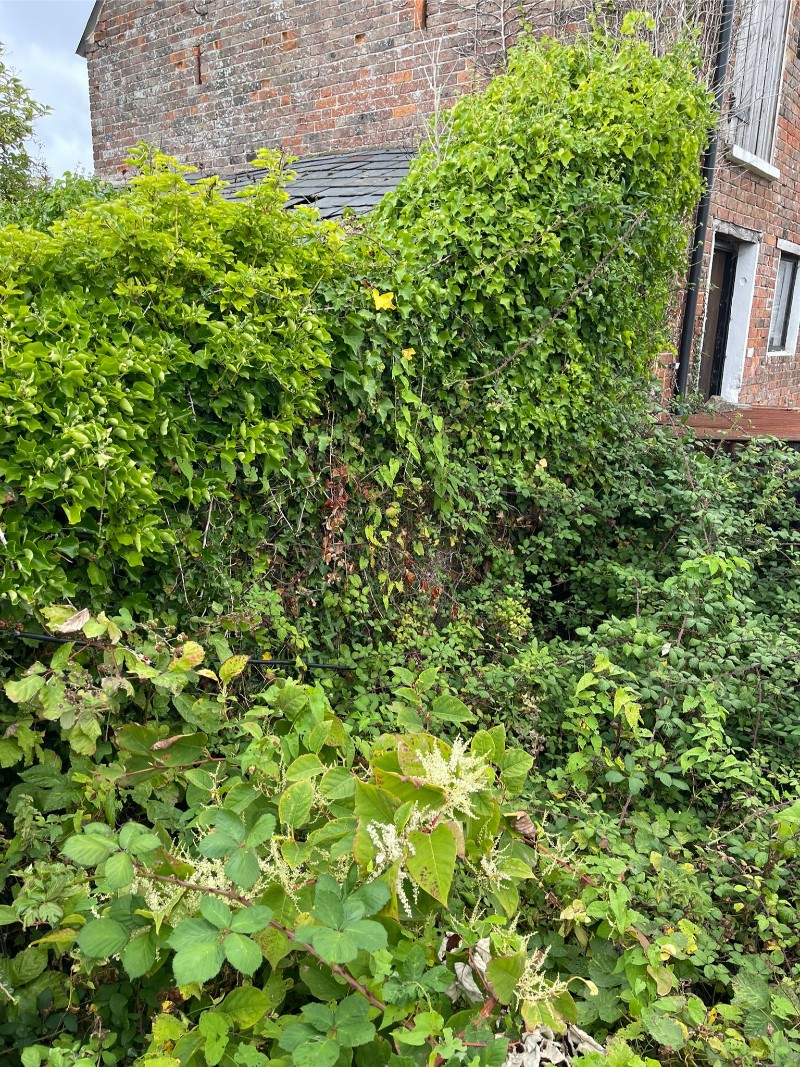
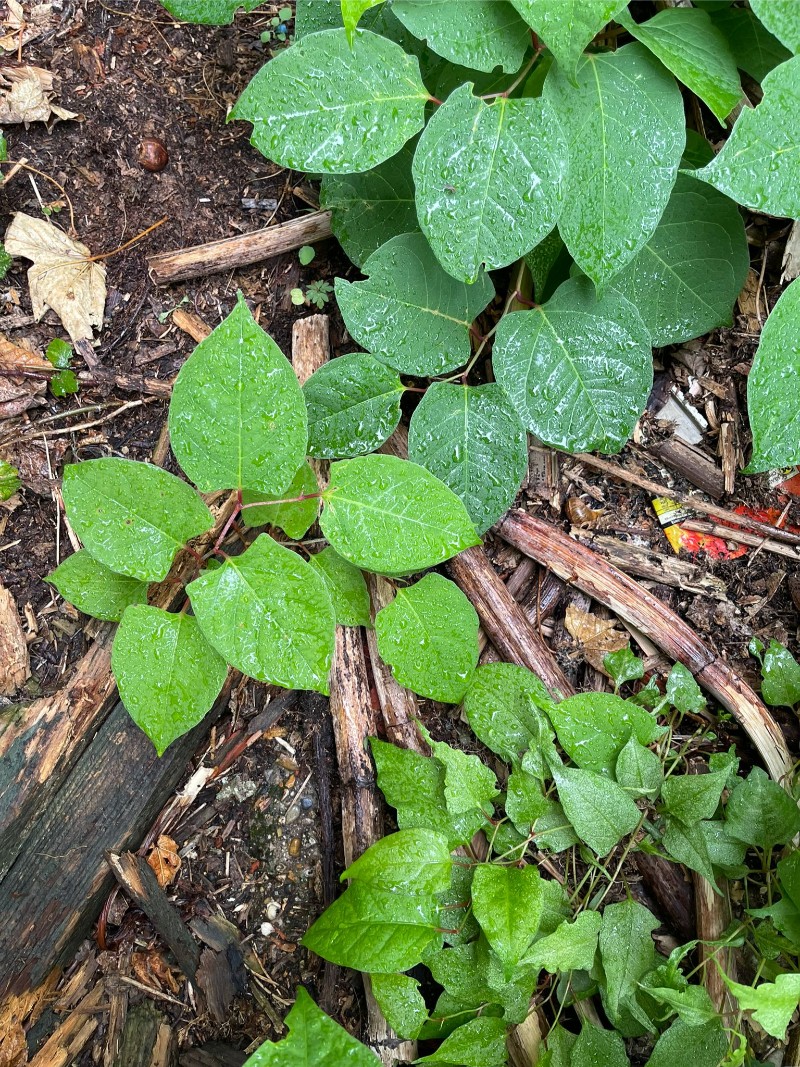
When should excavation be considered?
Excavation may suit developers preparing construction zones, businesses carrying out groundworks and homeowners planning work in an affected part of the property.
It is particularly relevant when keeping the ground undisturbed throughout a multi-year treatment programme would conflict with your plans. Suitability depends on machinery access, underground services, nearby structures, ground conditions and the extent of the material requiring removal.
Where there is no urgent need to disturb the ground, herbicide treatment may offer a less disruptive alternative.
THE PROCESS
The excavation process
-
Site assessment
Survey and review the proposed works
We assess visible knotweed and review available plans, access and information about the site.
-
Planning
Define the scope and handling route
The plan identifies the area to be addressed, how affected material will be managed and any approvals or notifications required.
-
Preparation
Prepare the working area
Access routes, separation of affected material and measures to limit spread are agreed before excavation.
-
Excavation
Excavate under specialist oversight
Affected soil, crowns and rhizomes are removed within the agreed scope. Findings during excavation may require the scope to be reviewed.
-
Material handling
Manage the material
It is transported to an appropriately authorised facility or managed on site under a suitable, agreed approach. Equipment and vehicle hygiene help prevent fragments being spread.
-
Handover
Complete the agreed handover
Reinstatement, records and any follow-up monitoring are completed or scheduled as specified in the contract. Reuse of the area depends on the agreed clearance and project requirements.
Japanese knotweed excavation methods
Off-site disposal
Affected material leaves the site
Off-site disposal
Affected material leaves the siteAffected material is excavated and transported to a facility authorised to accept it. This can suit sites with limited space for on-site management. Transport distances, facility charges and soil volumes are significant cost factors.
On-site burial
Containment within the same site
On-site burial
Containment within the same siteWhere conditions and requirements permit, material may be contained in a designed burial area on the same site. Burial needs sufficient space and depth, suitable containment where specified, and records that inform future land use. It keeps the material on site and creates constraints that must be understood.
Stockpiling and treatment
Relocation with ongoing treatment
Stockpiling and treatment
Relocation with ongoing treatmentOn a larger site, affected soil may be relocated to a controlled area for an ongoing treatment programme. This may release a defined work zone, but treatment continues elsewhere on the site. It requires available space, containment controls and a long-term management commitment.
How long does it take to excavate knotweed?
Physical excavation may take a few days on a smaller, accessible site or several weeks on a larger or more complex project. Surveying, planning, facility arrangements, required approvals and reinstatement can extend the overall schedule.
Monitoring may continue after physical work is complete. Stockpile-and-treat also has a separate treatment timescale, so it should not be presented as immediate whole-site clearance.
Tell us your required start date and programme milestones so the quotation can address the full sequence of work.

Knotweed-affected material requires a planned handling route.
For off-site disposal, the carrier and receiving facility must have the appropriate authorisation, and arrangements must prevent material escaping during transport.
On-site burial and treatment have their own requirements. These depend on the site and jurisdiction; the plan should establish what applies before work starts, including for sites in Wales.
Japanese knotweed excavation guarantees
Your quotation sets out the area covered by excavation, any follow-up monitoring and how regrowth will be addressed under the agreed guarantee.
An insurance-backed guarantee may be available for qualifying work, subject to policy terms. Cover can vary depending on whether affected material is removed from the site, buried on site or stockpiled for treatment.
Before work begins, we’ll explain the protection available, when it starts and any exclusions or conditions relating to future groundworks.
Find out about our insurance-backed guarantee.
COVERAGE
Areas We Cover
- Hampshire
- Sussex
- Surrey
- Dorset
- Berkshire
- Wiltshire
- Somerset
- Bristol
- Gloucestershire
- London
- South Wales
What our clients say




Frequently Asked Questions
What affects excavation costs?
The quantity of affected material is a major driver. Costs also depend on excavation depth and scope, access for plant and lorries, underground services, disposal charges, transport, imported clean material and reinstatement.
On-site management can change the cost profile but needs suitable space and conditions. Ask whether the quotation includes supervision, waste documentation, monitoring and any guarantee. Changes discovered during excavation should be addressed through an agreed process.
When is Japanese knotweed excavation recommended?
Excavation may be suitable when knotweed affects land needed for construction, landscaping or urgent groundworks. A professional Japanese knotweed site survey assesses the infestation, site access and proposed works to determine whether physical removal is appropriate.
What happens to the excavated knotweed and soil?
Affected material may be transported to a facility authorised to accept it or managed on site through an appropriate burial or stockpiling and treatment plan. The approach depends on site conditions, available space and applicable requirements.
Can the land be developed immediately after excavation?
The area may become available sooner than with herbicide treatment, but development should follow the agreed clearance and handover requirements. Any remaining affected areas, buried material or ongoing treatment must be considered before further groundworks begin.
Does Japanese knotweed excavation come with a guarantee?
Your quotation explains the area covered, any monitoring commitment and how regrowth will be addressed. An insurance-backed guarantee may be available for qualifying work, subject to policy terms. We’ll explain the available protection and any exclusions before work starts.