Japanese knotweed in Reading
We provide specialist Japanese knotweed removal in Reading for homeowners, surveyors, commercial sites, and property developers across Berkshire. With more than 20 years’ experience, our skilled team tackles knotweed infestations throughout Reading, from Caversham and Tilehurst to Earley, Woodley, and Whitley.
Reading is currently the worst-affected area in Berkshire, with over 100 confirmed knotweed sightings and widespread growth due to the region’s soil and climate conditions. Whether you’re preparing a property for sale or dealing with large-scale land redevelopment, we deliver fast, reliable, and fully compliant knotweed solutions.
For expert Japanese knotweed removal in Reading, call us today on 023 8251 2752 or request a free quote online.
GET A QUOTE TODAY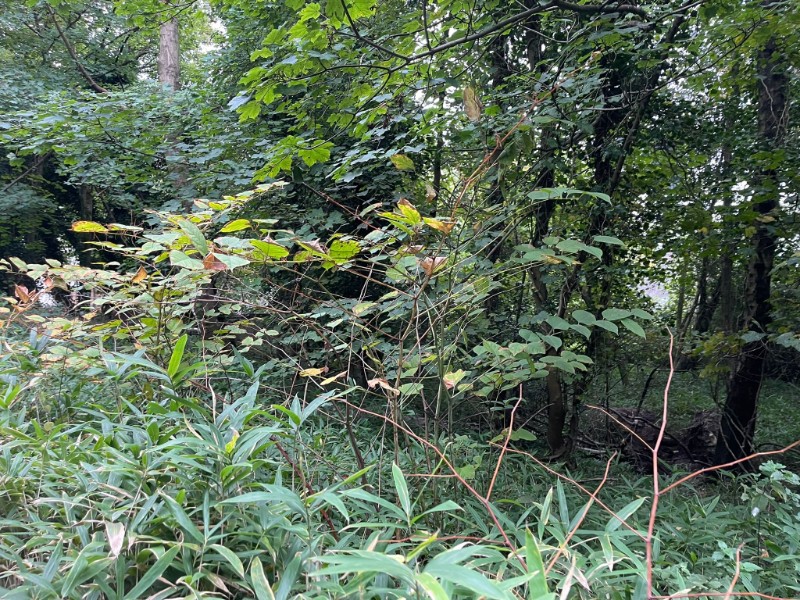
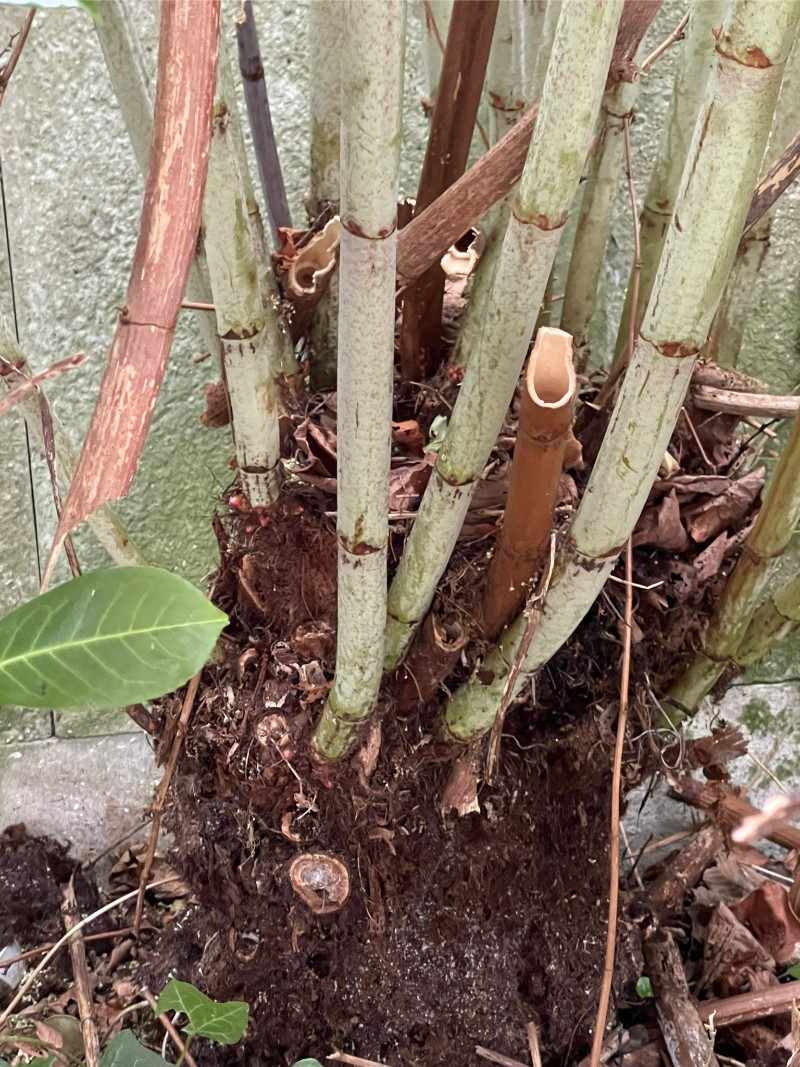
Think you’ve spotted Japanese knotweed in Reading?
If you’re unsure whether the plant on your land is knotweed, the safest step is to schedule a specialist Japanese knotweed survey. Our team inspects properties across Reading to confirm identification, assess underground rhizome spread, and evaluate any structural risks.
During your assessment, we check:
- Growth depth (up to 3 metres underground)
- Root extension (up to 7 metres horizontally)
- Signs of damage to paving, walls, and drainage
- Whether the infestation is active or dormant
We then design a tailored plan, typically involving herbicide treatment, excavation, or a combination of both. All work meets industry standards and supports mortgage lender requirements.
Certified Japanese knotweed specialists in Reading
All our specialists are fully qualified with PCA and City & Guilds accreditations. We understand the property market in Reading and regularly support buyers, sellers, landlords, and developers navigating knotweed-related issues.
We’ve carried out treatments across high-risk areas such as; Reading town centre, Caversham, Earley, Southcote and Tilehurst.
Our team offers competitively priced solutions and long-term management plans to ensure your land stays protected.
- Japanese knotweed surveys
- Japanese knotweed removal
- Ongoing knotweed monitoring
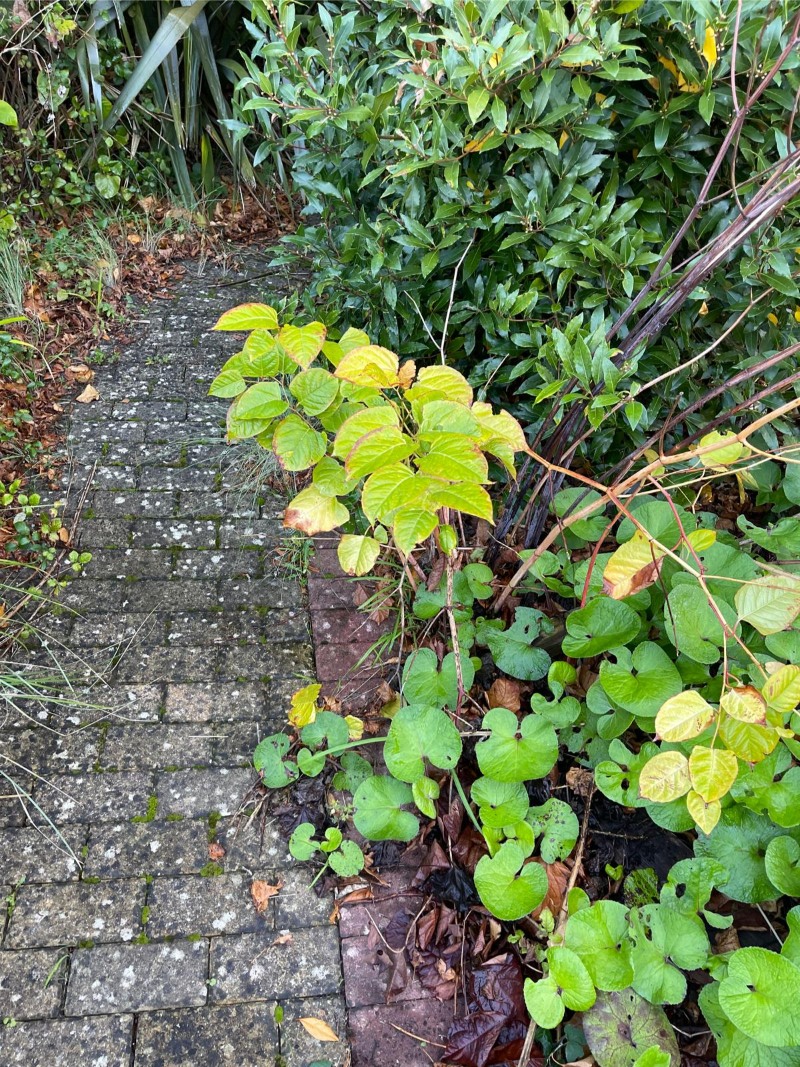

How serious is Japanese knotweed in Reading?
Reading tops Berkshire’s hotspot list with over 114 verified cases, far surpassing other towns such as Slough, Maidenhead, and Wokingham. With knotweed costing the UK economy £250 million annually, early detection is vital.
This invasive plant can:
- Grow rapidly in spring
- Break through hard surfaces
- Spread to neighbouring properties
- Reduce property values
- Trigger legal disputes
If you’re buying or selling a home in Reading, a knotweed survey is highly recommended to avoid delays.
Frequently asked questions
Why is Japanese knotweed such a big problem in Reading?
Reading has the highest number of knotweed sightings in Berkshire, with over 100 confirmed cases. The area’s soil conditions and urban spread create ideal conditions for knotweed to take hold and grow rapidly, making it a particular concern for homeowners in the town.
Can knotweed really reduce my property value?
Yes. While severe structural damage is rare, lenders take knotweed very seriously. If it’s found on or near your property, it may reduce the value or delay a sale until a professional treatment plan is in place. Having a certified plan can restore buyer confidence.
How can I tell if a plant on my Reading property is knotweed?
Knotweed has distinctive features: bamboo-like hollow stems, heart-shaped leaves, and rapid spring growth. However, it can be confused with harmless plants such as bindweed or dogwood. A professional survey is the safest way to confirm identification.
Should I arrange a knotweed survey before buying a property in Reading?
Yes, especially in a hotspot like Reading. A pre-purchase knotweed survey can identify hidden rhizomes or previous growth, preventing unexpected costs later. Many buyers now request one as standard due to Reading’s high infestation rate.