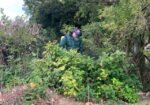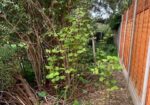
Japanese Knotweed (Reynoutria japonica) is a highly invasive plant species that can wreak havoc on the environment and property values. It is particularly challenging to deal with because of its rapid growth and resilience.
While it’s important to recognise Japanese knotweed throughout the year, identifying Japanese knotweed in autumn can be difficult due to the changing appearance of the plant.
In this blog, we will guide you through the key characteristics and Japanese knotweed control methods to identify knotweed during the autumn months.
The Threat of Japanese Knotweed in Autumn
In autumn, Japanese knotweed presents a significant threat. While its above-ground canopy may apply pressure to nearby structures like walls or fences, the real danger lies underground.
The extensive rhizome root system continues to spread in Autumun, potentially causing substantial damage in the long term. It’s essential to address this invasive plant promptly to prevent both immediate and future harm to the environment and property.
What Does Japanese Knotweed Look Like in Autumn?
In autumn, Japanese knotweed displays distinct characteristics. Its stems maintain a green hue with purple speckles, typically appearing in clustered formations. These stems are hollow, resembling bamboo in their structure. Recognising these traits is key to identifying Japanese knotweed during this season, as its leaves may have withered, making the stems a prominent distinguishing feature.
Identifying Japanese Knotweed in Autumn
Identifying Japanese knotweed in autumn is vital because it allows for timely intervention and management of this highly invasive plant species. In autumn, Japanese knotweed undergoes noticeable changes in appearance compared to summer, making it essential to recognise these differences.
Unlike its lush, green summer foliage and tall stature, Japanese knotweed in autumn displays withered, yellowing leaves that fall off, leaving behind greenish-brown, woody stems with characteristic red or purple speckles. Identifying these autumnal traits is crucial because, even with reduced above-ground growth, Japanese knotweed’s underground rhizomes continue to spread, posing a persistent threat.
Stems and Leaves
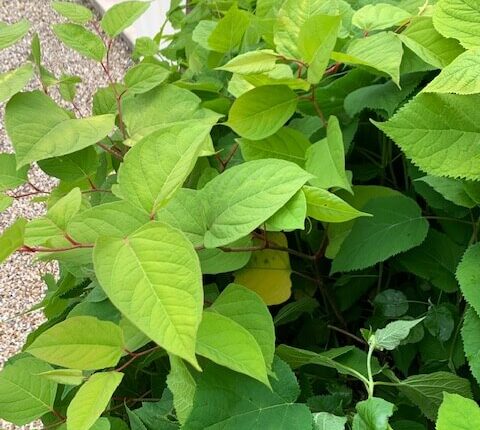
In autumn, the stems and leaves of Japanese knotweed undergo distinct changes. The once dense covering of leaves gradually transitions to shades of yellow and orange. These leaves become noticeably more brittle and start wilting, particularly in September and October.
Despite the changing foliage, Japanese knotweed plants maintain their height, reaching approximately 2-3 metres during this season. The hollow stems of the plant, which were once green, begin to take on a brown hue, differentiating them from the vibrant green appearance of summer.
These autumnal transformations in both the leaves and stems of Japanese knotweed make it easier to identify during this time of the year.
Size and Growth Habit
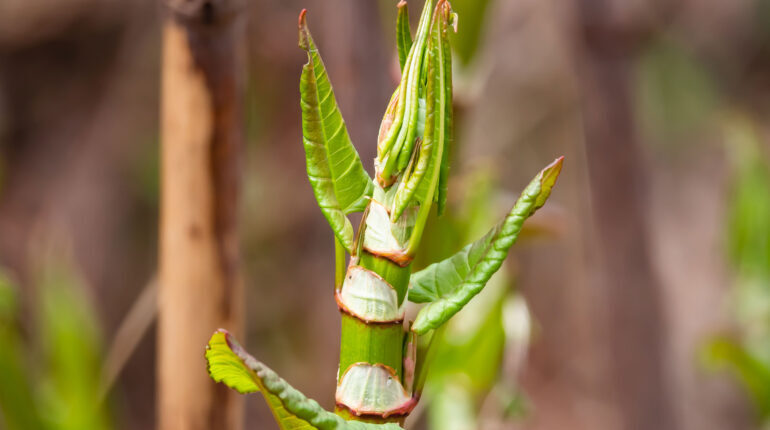
During the autumn months, Japanese knotweed’s growth rate significantly slows down, typically growing by up to 10cm a day between 2m deep and 7m wide during the growing season. Despite its reduction in size, it’s crucial not to underestimate the threat it poses during this season.
Beneath the surface, the plant’s underground rhizomes continue to spread, highlighting the importance of prompt identification and management to prevent unchecked growth.

Seed Pods
In late summer and early autumn, Japanese knotweed produces small, spiky heart-shaped seed pods at the tips of its stems. These pods contain small black seeds and are a key characteristic to watch for when spotting Japanese knotweed. While not as distinctive as its summer flowers, the presence of seed pods can help confirm the identification of Japanese knotweed in autumn.
Habitat
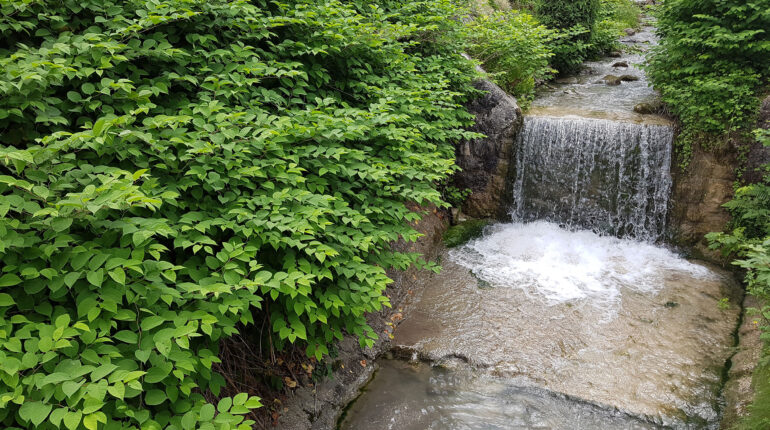
In the autumn, you might notice the dried, brown stems of Japanese knotweed along roadsides, riverbanks and construction sites. It can also be found in gardens and vacant lots, even if the leaves have fallen. If you are unsure about a plant you suspect to be knotweed, book a Japanese knotweed site survey with a removal specialist.
Controlling The Growth of Japanese Knotweed in Autumn
Controlling the growth of Japanese Knotweed in autumn is crucial to prevent its relentless spread and potential damage to the environment and property. To effectively manage this invasive plant, contact our Japanese knotweed removal experts at Knotweed Specialists UK.
Our team of horticultural experts specialise in the identification, control and removal of Japanese knotweed in Hampshire and surrounding areas. With extensive experience in tackling this invasive plant, we are dedicated to effectively treating Japanese knotweed infestations and protecting local ecosystems and properties from its destructive impact.