
Experienced Japanese knotweed specialists in Cirencester
At Knotweed Specialists UK, we provide professional Japanese knotweed removal in Cirencester for homeowners, landlords and commercial clients. Whether you’re dealing with a garden infestation or preparing land for development, we deliver practical, compliant and long-term solutions.
We work across Cirencester and nearby areas including Stratton, Siddington, South Cerney, Tetbury and surrounding parts of Gloucestershire. With over 20 years of experience, we understand the importance of a tailored approach for every site.
If you’re looking for a trusted Japanese knotweed removal company in Cirencester, contact our team today.
GET A QUOTE TODAY

Japanese knotweed hotspots across Cirencester and Gloucestershire
According to Gloucestershire Live, Cirencester has been identified as one of the key hotspots for Japanese knotweed in Gloucestershire, with around 28 recorded infestations locally. Across the county, there are over 190 known occurrences, showing how widespread the issue has become.
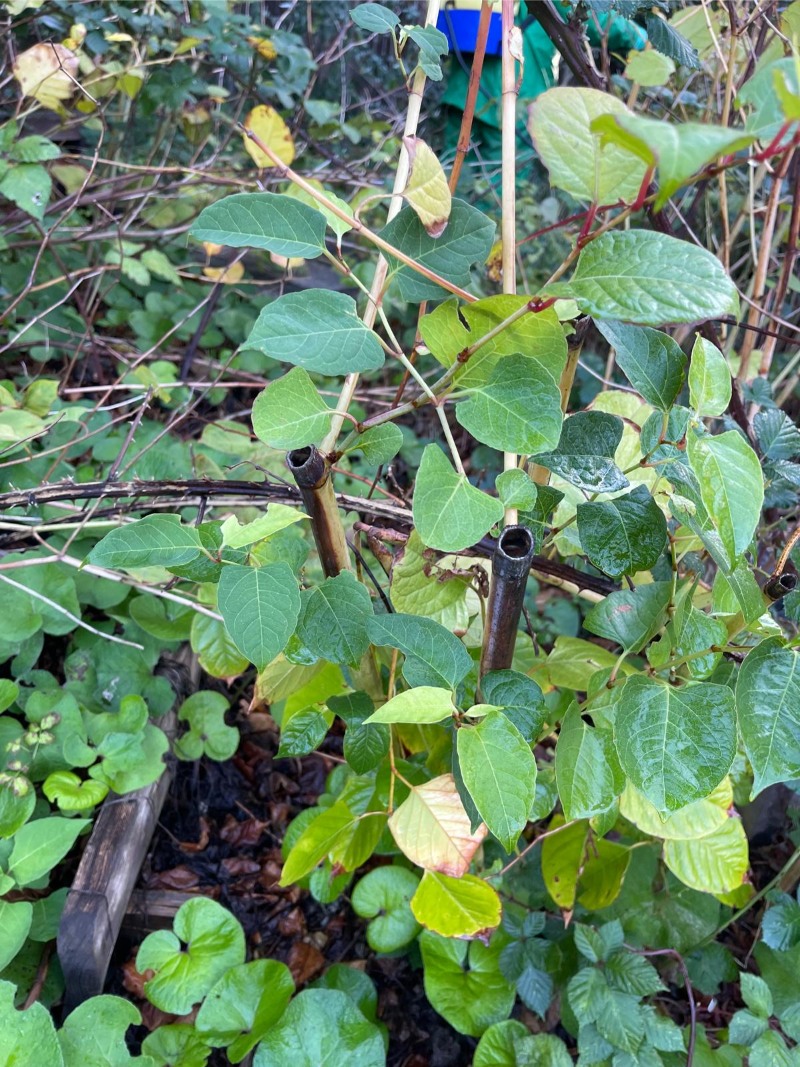
Japanese knotweed typically emerges in spring and grows rapidly, reaching heights of up to 2.5 metres during the summer months. It features bamboo-like canes and bright green leaves, followed by clusters of creamy-white flowers later in the season. While it dies back in winter, the underground rhizomes remain active and can spread several metres beyond visible growth.
For property owners in Cirencester, the main concern is how easily knotweed spreads through soil movement, waterways and development activity. A professional Japanese knotweed management plan is often required during property transactions or construction projects.
Book a surveyResidential knotweed treatment in Cirencester
If you’ve discovered Japanese knotweed on your property, early action is essential. Many homeowners are concerned about the impact on property value and the potential for neighbour disputes.
We carry out detailed residential surveys throughout Cirencester to confirm identification and assess the extent of the infestation. Following the survey, we provide a clear report and recommend the most suitable treatment plan, which may include herbicide treatment, excavation or a combined approach.
We can also provide the documentation required by mortgage lenders. For more details, visit our FAQ page or treatment methods section.


Commercial knotweed management services in Cirencester
For commercial clients, knotweed presents a range of challenges including planning conditions, environmental compliance and project timelines.
We support developers, housing associations and landowners across Cirencester with surveys, risk assessments and tailored remediation strategies. Our team works closely with contractors to ensure treatment programmes align with development schedules.
From small redevelopment sites to larger projects, we deliver effective and compliant solutions.
Our Cirencester knotweed survey and treatment process
We begin every project with a professional site survey to accurately assess the situation. This includes evaluating visible growth, underground spread and proximity to buildings or boundaries.
Using this information, we create a tailored Japanese knotweed management plan in Cirencester designed to control and eliminate the infestation while preventing regrowth.
Frequently asked questions
How common is Japanese knotweed in Cirencester?
Japanese knotweed is increasingly common in Cirencester, with around 28 recorded infestations locally and many more across Gloucestershire. The area is considered one of the county’s key hotspots.
Why is Japanese knotweed a concern for property owners?
The plant spreads easily through soil movement and can impact property values. It is also a major consideration during property sales, as lenders often require a formal Japanese knotweed management plan.
When is the best time to treat Japanese knotweed?
Treatment typically begins during the growing season in spring or summer, when the plant is actively absorbing nutrients. However, surveys can be carried out at any time of year.
How far can knotweed spread underground?
Japanese knotweed rhizomes can spread several metres horizontally beneath the surface, often beyond visible growth. This is why professional assessment is essential.
Do I need a survey before starting treatment?
Yes, a professional survey is the first step. It confirms identification, assesses the extent of the infestation and helps determine the most appropriate treatment plan.
Will treatment stop knotweed from coming back?
When carried out professionally, treatment programmes are designed to control and eliminate the plant while preventing regrowth. Ongoing monitoring may be required depending on the method used.