When it comes to home insurance, there are many factors that can influence your coverage and premiums. One often overlooked factor is the presence of Japanese knotweed on your property.
This invasive plant may seem harmless, but it can have significant implications for your home insurance. In this blog, we’ll dive into what Japanese knotweed is, why it matters to insurers, and how it can affect your home insurance policy.

What is Japanese Knotweed?
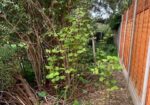
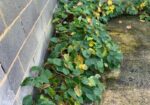
Japanese Knotweed is a tall, rapidly growing plant native to Japan, belonging to the dock family. It features bamboo-like stems and small white flowers.
Originally used for ornamental purposes, it has gained notoriety for its invasive and aggressive weed-like tendencies, causing concerns due to its potential to damage property structures and disrupt ecosystems.
Does Japanese Knotweed Affect House Insurance?
Japanese Knotweed typically doesn’t impact house insurance premiums simply because most policies don’t cover it. However, if you successfully claim for subsidence caused by Japanese knotweed, your premiums may increase in the following year.
According to research carried out by Nottingham Trent University, Japanese knotweed can reduce a property’s value by between 5-15%. This drop in value is due to its potential to damage structures, its invasive characteristics, and the expenses involved in removal and prevention, which can deter potential buyers.
Does Home Insurance Cover Japanese Knotweed?
According to GoCompare, home insurance providers do not cover issues related to Japanese knotweed, except in some cases of legal expenses cover for legal claims initiated by the policyholder.
Standard policies typically don’t include protection for structural damage or removal costs caused by Japanese knotweed, so homeowners should explore specialist insurance options including an insurance-backed guarantee provided by Japanese knotweed removal specialists when dealing with this invasive plant on their property.
Should I Tell My Insurance Company About Japanese Knotweed on My Property?
You do not need to tell your insurance company about Japanese knotweed on your property unless they enquire about it. However, if they do enquire, it’s essential to be honest.
Rather than notifying your insurer, it’s advisable to conduct a Japanese knotweed site survey by an experienced removal specialist to ensure proper removal and prevention measures are taken, which can help safeguard your property and its value.
However, when purchasing a property, the seller is required to disclose on the TP1 form whether Japanese knotweed is present on the property. If your property is affected by Japanese knotweed and you can demonstrate that the seller provided false information about its presence, you have grounds to pursue a misrepresentation claim against them.
How to Deal with Japanese Knotweed
Findings from a recent government report indicate that failing to address a knotweed infestation can result in potential losses of up to 10%. The Wildlife and Countryside Act of 1981 also declares that promoting the growth of Japanese Knotweed is an offence. This makes it crucial for property owners to promptly address and manage such infestations to protect their investments.
To deal with Japanese knotweed effectively, it’s best to hire a specialised removal expert such as ourselves at Knotweed Specialists UK. Our Japanese knotweed removal experts are equipped with the expertise and tools to effectively manage this invasive plant.
Attempting to handle it on your own can lead to its rapid spread and regrowth, making the problem worse. To ensure proper management, it’s essential to contact our team of specialists who can assess the extent of the infestation and implement a targeted removal strategy.