We can feel grateful here in the UK to live in such a beautiful land. Nature is incredibly generous, so we are surrounded by some of the most amazing native plants which have evolved over time to thrive in the local conditions. These plants create habitats and bring life to our landscapes.
From purple heather on the moorlands, to green grasses in meadows, it’s an awe-inspiring sight that can take your breath away. With over 15,850 species growing here, we can enjoy our beloved blooms each season.
However, as gardeners, it’s important to be aware of the plants that can be dangerous to your health, or even the health of your property. While some of these plants may look harmless and even beautiful, they can cause serious harm if you come into contact with them. Believe it or not, the United Kingdom is home to some particularly dangerous plants! Keep reading to learn more about each of these potentially hazardous species.
Giant Hogweed
Giant hogweed (Heracleum mantegazzianum) is an invasive plant species native to Central Asia. It was first introduced to the UK in 1817 as an ornamental garden plant but has since spread rapidly throughout Britain’s waterways.
Giant hogweed is a formidable-looking plant that has been gaining more and more attention, but it is important that it not be mistaken for common hogweed (Heracleum sphondylium). Though they look similar enough at first glance, giant hogweed is actually in a completely different genus than common hogweed.
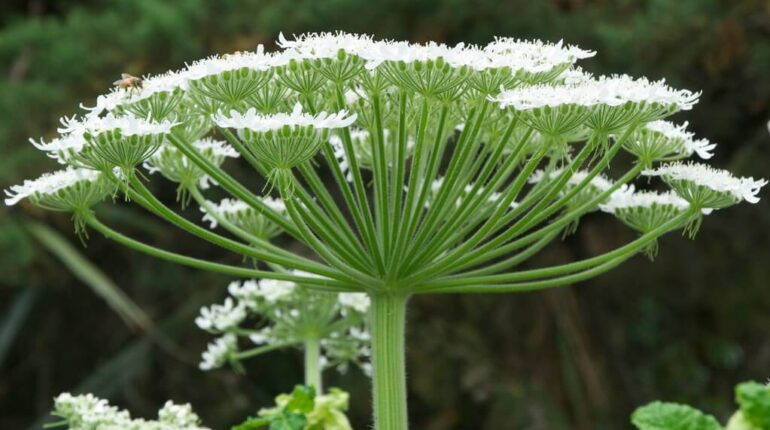
Giant Hogweed can grow up to 20 feet tall and has white, umbrella-like blooms, while common hogweed typically only reaches 3 feet and has reddish-purple flowers. It is essential to differentiate between the two species as giant hogweed is extremely dangerous.
This large biennial can grow up to 5 meters tall and produces white flowers that can span up to 60 cm in diameter. Its sap contains toxic chemicals known as furocoumarins which cause severe skin irritation when exposed to sunlight. If you come into contact with giant hogweed sap, seek medical attention immediately.
Hemlock Water Dropwort
Hemlock water dropwort (Oenanthe crocata) is a perennial herb found in wetland habitats across England, Wales and Scotland. Growing up to 1 meter tall, this plant has a hollow stem and umbrella-like clusters of white flowers at its peak. All parts of this plant are highly poisonous and contain compounds that are fatal when consumed by humans or animals. Symptoms of poisoning include vomiting, diarrhoea, seizures and even death if not treated quickly enough.
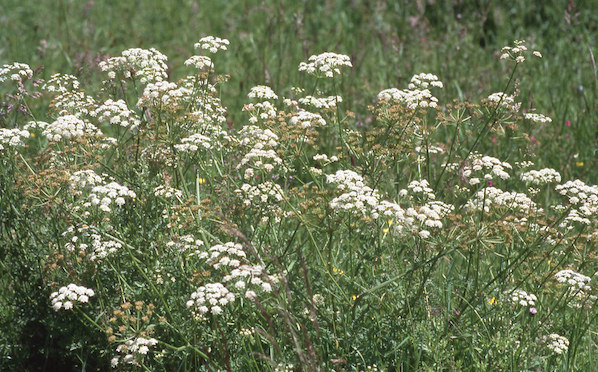
Hemlock water dropwort is easily confused with other plants due to its very similar appearance which can be potentially dangerous as it can be mistaken for edible plants that are safe to eat.
It belongs to the same plant family as hemlock, carrot, and parsley but it is not edible and should definitely not be consumed. If stepped on, the stems of this plant exudes a poisonous fluid which causes severe skin irritation in some cases. As such, it is important to correctly identify the plant before coming into contact with it in order to stay safe.
Japanese Knotweed
Japanese knotweed (Reynoutria japonica) was introduced to the UK in 1825 by amateur botanist Philipp von Siebold as an ornamental garden plant. This fast-growing perennial can grow up 3 meters high within just one season and has dense mats of roots beneath the ground that can damage foundations and other structures if left untreated for long enough.
In addition, it can also out-compete native species for resources such as light, nutrients and space in the environment due its aggressive growth habit; making it a major problem for wildlife conservation efforts in certain areas of the country.

Japanese knotweed can grow up to an incredible 8 inches each day and spread quickly by roots and cut stems, making it a real challenge for property owners to keep it under control. Japanese knotweed is considered destructive because of its ability to damage hard-standing surfaces through knotweed rhizomes pushing up tarmac or concrete as well as causing structural damage to buildings over time via cracks in concrete foundations and masonry walls.
Homeowners may be liable for damage caused by knotweed if they are unable to prove that they weren’t responsible for allowing the plant on their property, so it’s important to take action early in order to stop any potential destruction.
Although the UK is known for its lush green fields, wild forests and beautiful gardens, there are certain plants to be aware of. The most common dangerous plants in the UK are usually found in wooded or wet areas, or on neglected land. Knowing which plant species can be a problem can help to avoid any potentially harmful contact with these flora. It is always wise to exercise caution when encountering unknown vegetation!
Giant hogweed, hemlock water dropwort and Japanese knotweed are just three examples of potentially hazardous plants found in the United Kingdom today that could pose a threat to human health or local wildlife populations if left unchecked. If you come across any of these plants while out exploring Mother Nature’s beauty, always take extra care not to touch them and where necessary, call the experts.