Although parts of Japanese knotweed can be eaten, it should always be approached with care to avoid it from spreading further.
It is an incredibly invasive plant which can spread at enormous rates, even causing structural damage to residential properties, so it should be approached with caution.
If you discover Japanese knotweed on your property, the priority should always be to remove the plant or use specialist control methods to stop it from spreading onto other properties or council land.
If you have Japanese knotweed on your property, you have a legal obligation to contain it and stop it from spreading onto neighbouring properties.
However, that being said, it is still possible to eat Japanese knotweed under controlled circumstances.
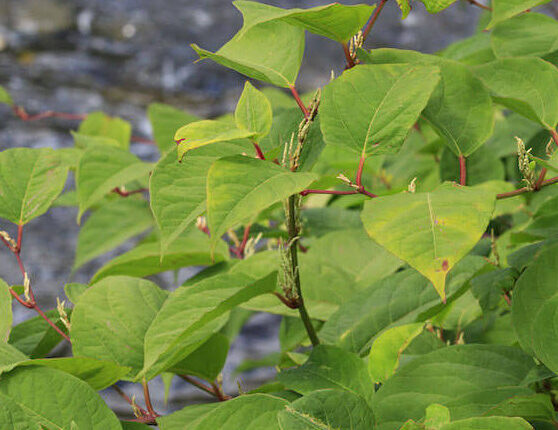
The edible appeal of Japanese knotweed
Despite its invasive nature and potential to cause damage, Japanese knotweed has gained popularity amongst some adventurous food enthusiasts, due to its unique flavour and versatility.
What does Japanese knotweed taste like?
Japanese knotweed has often been described as tasting like rhubarb and asparagus. It can be used in a variety of recipes such as pies, jams, sauces and stir-fries. It’s also not uncommon for Japanese knotweed roots to be dried and used in teas and tinctures.
What part of Japanese knotweed can you eat?
The young shoots of Japanese knotweed are edible in certain circumstances and can be cooked to add flavour and versatility to different dishes. However, Japanese knotweed is considered a highly problematic plant due to its risk of structural damage to properties and its threat to local ecosystems.
Despite its appeal to some as a tasty addition to certain dishes, it is recommended that Japanese knotweed is controlled or remove by an expert removal team, in order to reduce the risk of harm to properties and the environment.
The threat of Japanese knotweed
Whilst Japanese knotweed has gained some popularity among food lovers due to its unique flavour and culinary versatility, it is essential to be aware of the reasons why it should not be encouraged for consumption.
It’s not unheard of for Japanese knotweed to grow through cracks in concrete, ultimately causing damage to the infrastructure of building foundations and even pipework.
Health concerns
Japanese knotweed should be approached with care if you are looking to consume it, as it may contain harmful components, especially when grown in contaminated environments or treated with herbicides. As an invasive plant, it often grows in areas exposed to pollutants and chemicals.
Japanese knotweed is not considered poisonous to humans, but it does have the potential to cause allergic reactions in individuals due to its oxalic acid content. When individuals, particularly children, come into contact with Japanese knotweed, the oxalic acid in the plant’s sap can trigger adverse skin reactions.
There is limited research on the edibility of Japanese knotweed, which raises concerns and uncertainties about potential health risks when eaten. Until more research has been conducted, it is recommended to approach with caution when considering eating Japanese knotweed.
Legal implications
Preventing the spread of Japanese knotweed from your land onto neighbouring properties or council land is crucial. Failure to do so could lead to legal implications, such as fines of up to £5,000 or imprisonment for up to 2 years if contaminated soil or plant material from any waste you transfer ends up spreading into the wild.
There are many rules and regulations surrounding the reporting of Japanese knotweed, which are important to be aware of if you want to avoid a hefty fine.
The Wildlife and Countryside Act 1981 states that it is an offence to plant or cause this species to grow in the wild. This means that any actions that can cause the spreading of Japanese knotweed, including strimming or pruning the plant to eat, can be considered an offence. This is because Japanese knotweed can regrow from even the smallest of fragments.
Promoting the culinary use of Japanese knotweed may contribute to its spread and result in legal issues. It is important to manage with caution and follow proper guidelines to avoid any potential legal implications related to the management and disposal of Japanese knotweed.
Focus on Removal
To keep local properties and the environment safe from Japanese knotweed, it is important that the priority, when spotted, is to have it expertly removed.
Whilst it is mostly considered safe to eat some parts of the Japanese knotweed plant, the focus should always be on having it removed by Japanese knotweed experts, rather than pruning it to eat, as it can cause major damage to both properties, and local ecosystems due to its invasive nature.
By focusing on effective removal and control strategies, you can reduce the environmental and structural risks linked to Japanese knotweed, ultimately creating a safer and healthier environment for both humans and the ecosystem.
Management – the responsible course of action
The responsible course of action if you do identify Japanese knotweed on your property, is not to prune and eat it, but to contact our team of local specialists who will be able to successfully manage it.
Eating Japanese knotweed can lead to potential health risks, as there is limited research on quite how safe it is for human consumption. By consulting our professional removal experts you’ll ensure safe and efficient management, reducing the risk of further spread and preventing damage to buildings, infrastructure and the environment.