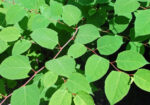
Japanese knotweed (Reynoutria japonica) is an invasive, herbaceous perennial plant in the buckwheat family, known for its rapid growth. It’s an aggressive species that, left untreated, can cause structural damage to buildings and can have a negative impact on ecosystems and biodiversity.
According to a study published in 2013 by Nottingham Trent University, Japanese knotweed can reduce a property’s value by between 5-15%, depending on the size of the infestation and its proximity to surrounding buildings, making it very difficult to sell and extremely challenging for buyers to look past.
This guide will detail the various laws and regulations that are in place to ensure Japanese knotweed is dealt with correctly, as well as explain how and where to report it.
Identifying Japanese Knotweed

There are many things to consider when reporting Japanese knotweed, but before you do, it is important to have it professionally identified. Japanese knotweed has specific characteristics that can be identified by the following distinctive features:
- Leaves – It has heart-shaped, green, glossy leaves that can grow up to 20cm long.
- Stems – Stems are bamboo-like, stout and hollow with nodes about 10cm apart.
- Internodes – Internodes are dark purple or reddish-brown with a smooth, shiny surface.
- Nodes – Small branching roots at nodes, 5-10mm in diameter
- Flowers – Creamy, white flowers
For more information on how to spot Japanese knotweed, or if you think you have discovered knotweed on your property, you can book a site survey with our experts.
Rules and Regulations When Reporting Knotweed
Japanese knotweed can cause a great deal of damage, both structurally and environmentally, so there are various rules and regulations surrounding Japanese knotweed and how to go about reporting it.
The Wildlife and Countryside Act 1981: states that it is an offence to plant or cause this species to grow in the wild. This means that any actions that can cause the spreading of Japanese knotweed can be considered an offence. These actions can include, strimming, flailing or dumping contaminated material, as Japanese knotweed can regrow from even the smallest of fragments. This is why it is beneficial not to attempt to remove Japanese knotweed yourself and get the help of a specialist knotweed removal company.
The Environmental Protection Act 1990: states that any soil and waste containing propagules of Japanese knotweed that you discard, intend to discard or are required to discard are considered to have the potential to cause ecological harm and hence deemed “Controlled Waste‟. Improper disposal of “Controlled Waste” can make you liable for prosecution.
The Town & Country Planning Act 1974: states that Local Authorities can force landowners to clear up land if it detracts from local amenities, including that infested by Japanese knotweed. It is also often used by Local Planning Authorities by way of planning conditions to ensure developers properly remediate sites infested with knotweed.
The Anti-Social Behaviour, Crime and Policing Act 2014: can be used to require someone to control or prevent the growth of Japanese knotweed or other plants that are capable of causing serious problems to communities.
The Infrastructure Act 2015: gives environmental authorities the power to issue species control orders. These orders will make it possible to compel land owners or occupiers to carry out control or management operations, or allow them to be carried out by the issuing authority.
Do You Have to Report Japanese Knotweed?
Yes, you should report Japanese knotweed to your local Council if you find it growing on council land or if it has encroached onto your property. However, it is not an offence to have Japanese knotweed growing on your land, unless it spreads from your property, for example into a neighbouring property or onto council land.
If Japanese knotweed from your property starts to spread onto a neighbouring property or council land, you have a legal responsibility to take action. Japanese knotweed can grow as much as 10cm per day, so it is important to consult Japanese knotweed removal specialists and inform your local council as soon as possible. This will reduce the risk of structural damage, preserve ecosystems and limit its spreading for a more cost-effective and timely solution.
Do Sellers Have to Disclose Knotweed?
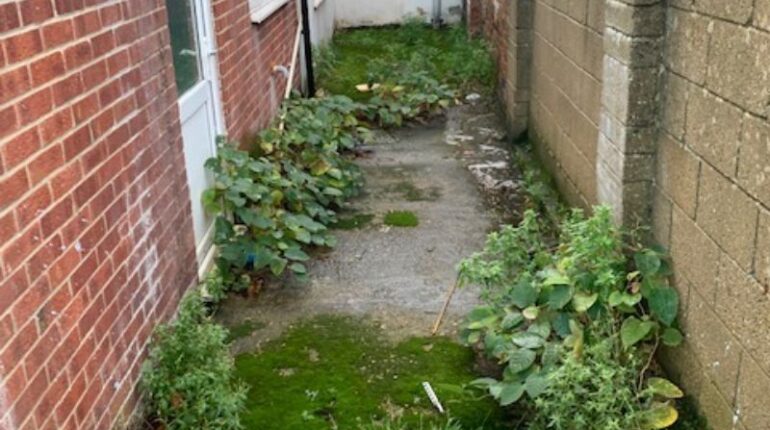
Yes, when selling your property, you have a legal obligation to disclose Japanese knotweed. When selling your property, you’ll need to fill out a TA6 form, which contains the following question:
Is the property affected by Japanese knotweed?
When filling out the TA6 form, you must tick one of the following answers:
- Yes
- No
- Not known
If you are unsure that Japanese knotweed exists above or below ground or whether it has previously been managed on the property, please indicate this as ‘Not known’. If ‘No’ is chosen as an answer, the seller must be certain that no rhizome (root) is present in the ground of the property, or within 3 metres of the property boundary even if there are no visible signs above ground.
Updated guidelines on filling out the TA6 form can be downloaded from the Law Society’s Website.
Not disclosing Japanese knotweed can result in the buyer taking legal action, including making a ‘property misrepresentation claim’.
A property misrepresentation claim can be made when a seller fails to disclose or knowingly misrepresents any answers on their property information form or in response to further enquiries made. In this case, for not disclosing Japanese knotweed.
Different types of property misrepresentation can include:
- Fraudulent misrepresentation – The seller intentionally gives false information or withholds requested information when asked directly during pre-contract enquiries.
- Negligent or reckless misrepresentation – The seller fails to check the accuracy of the information provided.
- Innocent misrepresentation – The seller makes a mistake.
When selling your house, it is essential to be honest about the presence of Japanese knotweed on, or near your property, this includes if it is growing on a neighbouring property.
For more legal advice on selling a property with Japanese knotweed, or on making a property misrepresentation claim, we recommend contacting a local solicitor.
What if Your Neighbour has Japanese Knotweed Growing on Their Property?
It is not an offence for a neighbour to have Japanese knotweed growing on their property. However, it is an offence if this knotweed starts to work its way onto your property, or onto council land.
If it starts invading your property, you should first inform your neighbours of the situation before reporting it to the authorities, as they may not be aware that they have it. At this point, you should consult Japanese knotweed surveyors to assess the extent of the situation and how best to deal with it.
If your neighbour refuses to take action, you should issue them with a formal letter explaining that Japanese knotweed is spreading from their property onto your property. If they still refuse to take action, then this letter acts as evidence, and you can now request a Community Protection Notice (CPN) from the local authority to enforce them to deal with the situation.
Who Do I Report Japanese Knotweed to?
Japanese knotweed should be reported to the appropriate body once it has been professionally identified:
For residential and commercial properties:
If you find Japanese knotweed growing on council land or if it has intruded onto your property, it should be reported to your local council through the designated Japanese knotweed section on their website. You should then have a Japanese knotweed survey performed by a specialist who will recommend and carry out the appropriate course of action.
For renters:
If you have discovered Japanese knotweed on a property you are renting, you should check your contract to find out whose responsibility it is and contact your landlord as soon as possible. Your landlord should be supportive in dealing with and reporting Japanese knotweed, but for further guidance for renters, you can contact the Citizens Advice Bureau.
Do Surveyors Report Japanese Knotweed?
Yes, surveyors have a legal obligation to report any invasive plant that they discover, including Japanese knotweed. This will usually be reported to the local council.
How to Remove Japanese Knotweed
Whilst it is possible to remove Japanese knotweed yourself through various methods such as using herbicides or picking off the leaves to weaken the plant, we do not recommend it because if it is not removed properly, or other areas get contaminated in the process, it can very easily regrow, which only exacerbates the situation further.
Instead, we highly recommend booking a site survey which will determine the best course of action on how to remove the plant and exactly where to target to ensure it does not regrow.
Our team uses specialist techniques and equipment that can include:
- Using a professional-grade herbicide, specifically designed for removing Japanese knotweed.
- Erecting barriers and using a root barrier to prevent the spread of Japanese knotweed’s roots.
Contact Knotweed Specialists UK Today
As you probably now know, Japanese knotweed is extremely troublesome with strict regulations on how to control it. Our team are not only specialists when it comes to removing the plant, but we can also provide you with guidance on how to report it. So if you are faced with Japanese knotweed, and are unsure of what to do next, get in touch with either Sam or Pete at Knotweed Specialists UK and we’d be happy to help!