Professional Japanese knotweed removal in Bath
At Knotweed Specialists UK, we provide expert Japanese knotweed removal in Bath for both residential and commercial customers. Whether you’re a homeowner concerned about your garden, a landlord managing property in the city, or a developer preparing land for construction, we deliver clear, compliant and long-term solutions.
With over 20 years of experience, our team works across Bath and the surrounding areas including Keynsham, Radstock, Saltford, Bradford-on-Avon and nearby parts of Somerset. Every site presents its own challenges, which is why we take a practical, tailored approach rather than offering one-size-fits-all treatments.
If you’re looking for a reliable Japanese knotweed removal company in Bath, call us today on 023 8251 2752 or request a free quote online.
GET A QUOTE TODAY
How widespread is Japanese knotweed in Bath?
Recent data shows there are around 76 recorded Japanese knotweed infestations within a four-kilometre radius of Bath, making it one of the most heavily affected areas in Somerset. Nearby locations such as Keynsham and Radstock have also reported significant activity, highlighting how widespread the issue has become across the region.
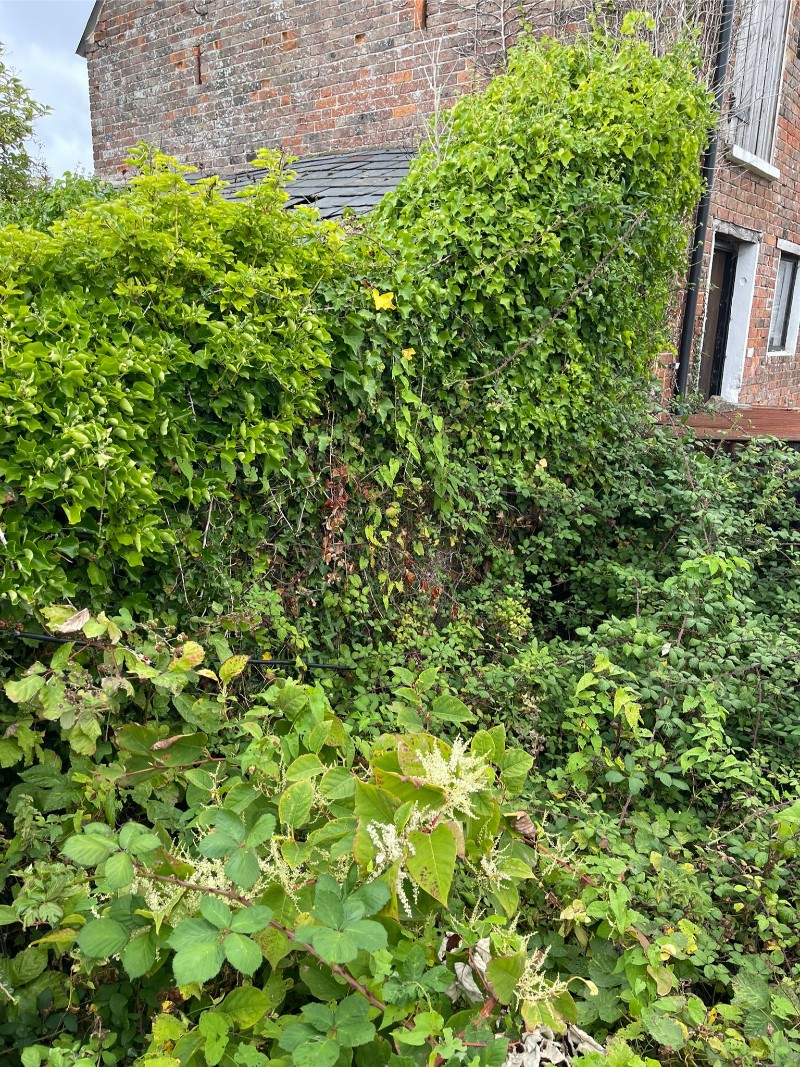
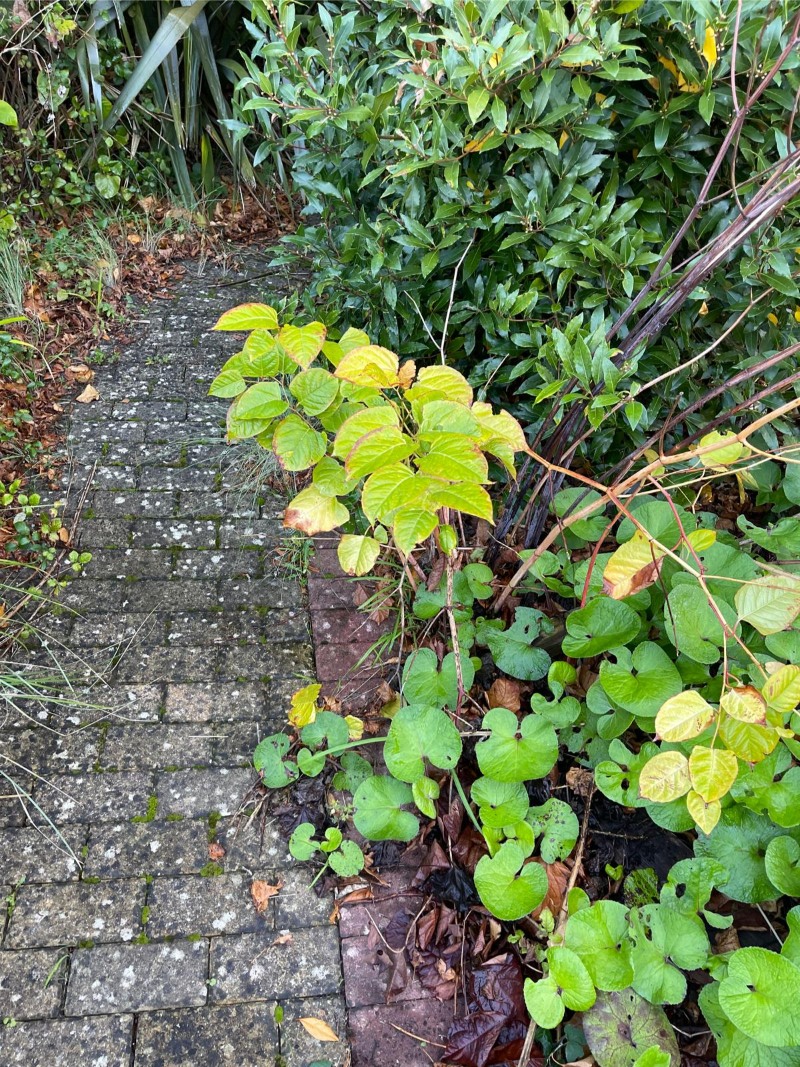
Japanese knotweed typically emerges in early spring, growing rapidly into tall, bamboo-like canes with distinctive heart-shaped leaves. By late summer, mature plants produce clusters of creamy-white flowers. While the visible growth dies back during winter, the underground rhizome system remains active and can continue spreading beneath the surface.
For property owners in Bath, the main concern is how easily knotweed spreads and the impact it can have on property value. It can grow through cracks in paving, brickwork, drains and walls, and is known to reduce property values while also complicating mortgage approvals and property sales. In many cases, lenders require a formal Japanese knotweed management plan in Bath before agreeing to finance.
Book a surveyResidential Japanese knotweed removal in Bath
For homeowners, discovering knotweed on your property can be stressful. You may be worried about how far it has spread, whether it will affect neighbouring properties, or what it means if you plan to sell.
We carry out detailed residential surveys across Bath to confirm identification and assess the full extent of the infestation. Following the survey, we provide a written report along with clear recommendations. Treatment options may include a structured herbicide programme, excavation and removal, or a combined approach, depending on the site.
Where required, we can provide the necessary documentation for mortgage lenders, helping to ensure property transactions can proceed smoothly. You can also learn more about the process on our site survey and FAQ pages.


Commercial and development knotweed services
For commercial clients, Japanese knotweed requires careful planning and coordination. Construction timelines, planning conditions and environmental compliance all need to be considered.
We support developers, housing associations and commercial landowners across Bath with surveys, risk assessments and tailored remediation strategies. Our team works alongside contractors to ensure treatment programmes align with build schedules while maintaining full compliance.
From smaller city-centre developments to larger redevelopment sites, our focus is always on delivering effective long-term control with minimal disruption.
Our approach to Japanese knotweed management in Bath
Every project begins with a professional survey. We assess visible growth, likely underground spread, proximity to buildings and boundaries, and any legal considerations.
Based on this, we create a tailored Japanese knotweed management plan designed to control and eliminate the infestation while preventing regrowth. Our aim is to provide a clear, compliant and long-term solution.
Frequently asked questions
Is Japanese knotweed a serious problem in Bath?
Yes, Japanese knotweed is a well-documented issue in Bath, with around 76 recorded infestations in the local area. Certain parts of the city and nearby areas such as Keynsham and Radstock are particularly affected, making early identification and treatment important for property owners.
Do I need Japanese knotweed removal before selling my property?
In most cases, yes. If knotweed is identified within or near your property boundary, mortgage lenders will usually require a professional Japanese knotweed management plan before approving finance.
How quickly does knotweed spread in gardens?
Japanese knotweed can spread rapidly, particularly during spring and summer. Its underground rhizomes can extend several metres beyond visible growth, meaning it may already be affecting areas you cannot see.
What is the best treatment for Japanese knotweed?
The most effective treatment depends on the site. Options include multi-year herbicide programmes, excavation, or a combination of both. A professional survey is always recommended to determine the best approach.
Is it safe to try removing knotweed yourself?
DIY removal is not recommended. Improper handling can cause the plant to spread further, and contaminated soil must be disposed of correctly under environmental regulations.