
At Knotweed Specialists UK, we offer a range of Japanese knotweed control methods to effectively manage this invasive plant. If you think you may have Japanese knotweed on your property, we recommend booking a site survey so our team can assess the extent of the infestation.
Once we have carried out a detailed inspection, we will advise on the most suitable method of control based on your site, the size of the infestation, and your long-term plans for the land.
Japanese knotweed removal specialists
With over 40 years of combined experience in identifying, controlling and removing Japanese knotweed, we bring a wealth of knowledge and expertise to every project.
We understand how important it is to deal with knotweed quickly and effectively, so you can move forward without unnecessary disruption.

Our methods of control
No two infestations are the same. That’s why we offer two main Japanese knotweed control methods:
In some cases, a combination of both methods may be recommended depending on the site conditions, timescales and future use of the land.
Herbicide Control
Herbicide treatment is one of the most commonly used methods for controlling Japanese knotweed, particularly in residential settings or areas where excavation is not required.
This method involves applying a specialist herbicide at the correct time of year to ensure the most effective results.
How herbicide treatment works
There are two main application methods:
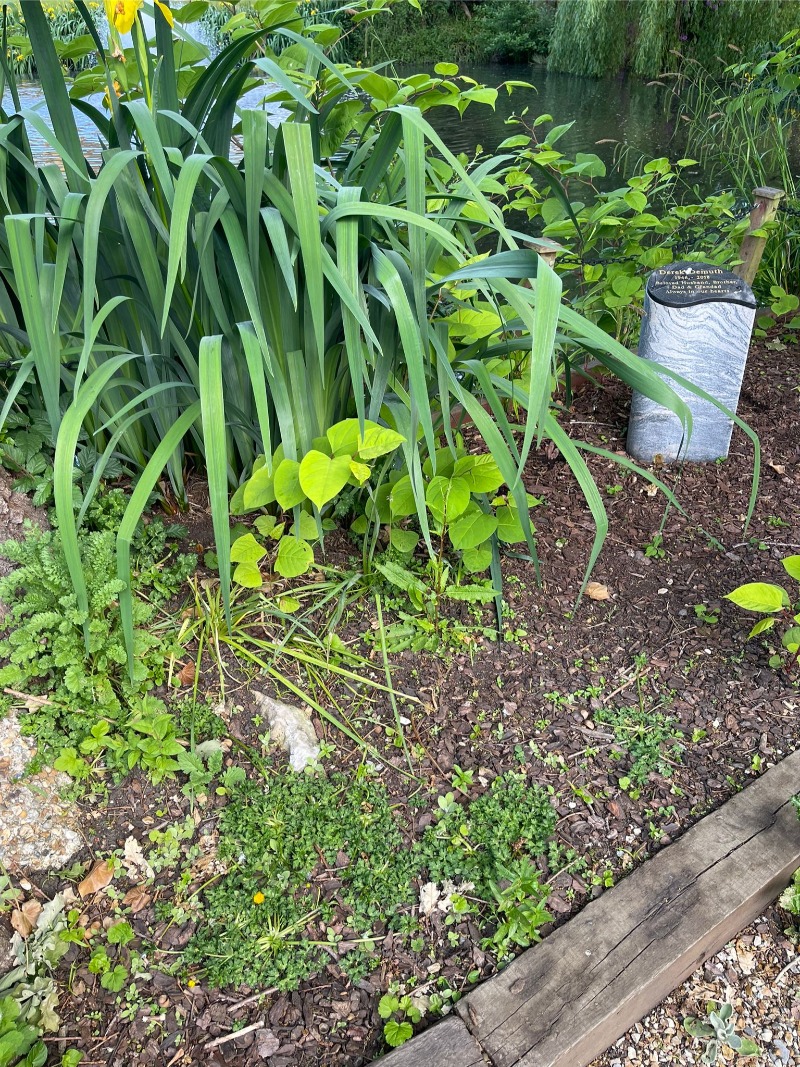
- Stem Injection: A fast-acting herbicide is injected directly into the stems of the plant. This allows the treatment to work from within and is particularly useful in sensitive areas where surrounding vegetation needs to be protected.
- Foliage Spraying: Herbicide is applied to the leaves of the plant, allowing it to be absorbed and transported through the knotweed system. This method is suitable for both small and large infestations.

The benefits of herbicide control
- Cost-effective solution
- Minimal disruption to your property
- Suitable for a wide range of environments
- Effective at controlling the spread over time
Things to consider
Herbicide treatment is not an instant solution. It usually requires a programme of treatments over several growing seasons, along with ongoing monitoring.
While it is highly effective at controlling Japanese knotweed, it may not completely eliminate the root system, meaning regrowth can occur if not properly managed.
Excavation control
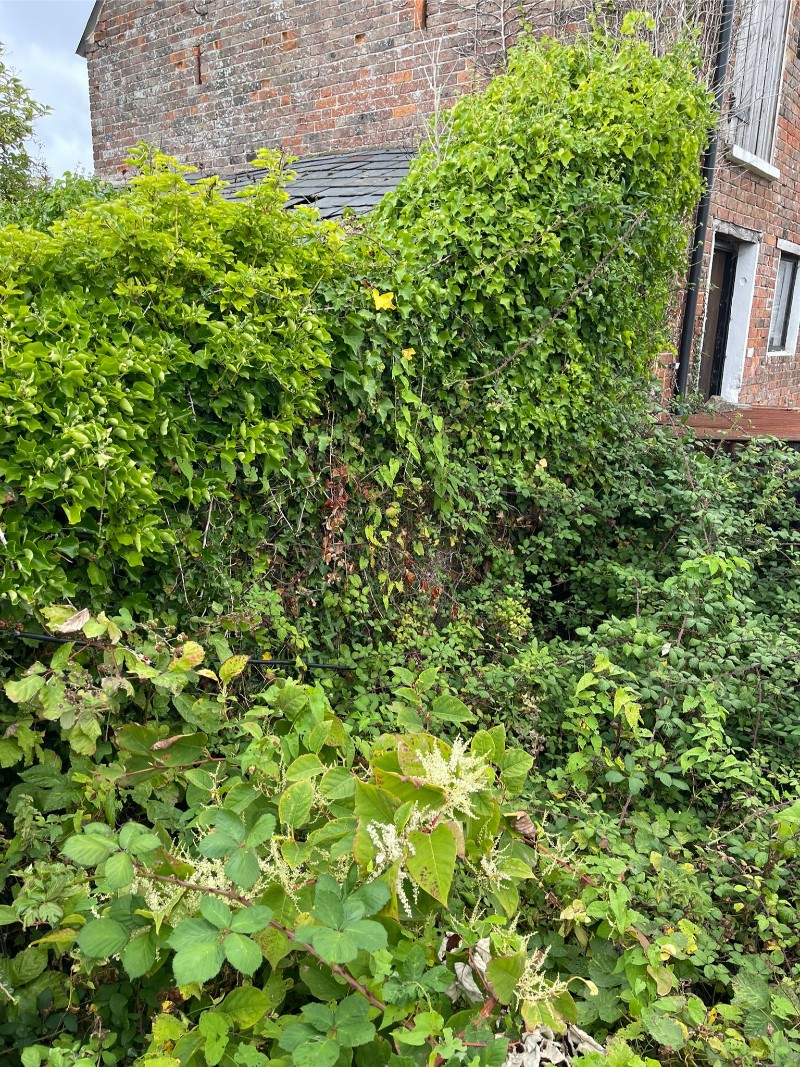
Excavation is one of the most effective ways to remove Japanese knotweed, as it involves physically removing both the plant and its underground rhizome system. This method is often used on development sites or where a faster, more immediate solution is required.
How excavation works
The process involves digging out all contaminated soil and root material. This material must then be handled as controlled waste in line with UK regulations. There are several ways this can be managed:
- Landfill Disposal: All contaminated soil is removed from site and taken to a licensed landfill facility for safe disposal.
- Cell Burial / Stockpiling: Contaminated material is buried on site within a specially lined and sealed pit to prevent regrowth.
- Stockpile and Treat: Soil is moved to a designated area on site and treated with herbicide as regrowth occurs, helping to speed up the control process.

Benefits of Excavation Control
- Rapid results compared to herbicide treatment
- Potential for complete removal of the plant
- Land can be reused or developed immediately
- Reduces long-term risk
Things to Consider
Excavation can be more costly due to the need for machinery, labour and waste disposal. It can also be more disruptive, particularly in residential areas.
Careful handling is essential, as even small fragments of the plant can regrow if spread.
Choosing the right method
The right method will depend on your specific situation.
Herbicide control is often the best option for long-term management with minimal disruption, while excavation is more suitable where immediate removal is required or development is planned.
Our team will always recommend the most appropriate solution following a full site survey.

Get in touch
If you’re dealing with Japanese knotweed, early action is key.
Get in touch today to arrange a survey, and one of our specialists will be happy to help.